
Web Scraping Legality in India: Navigating the IT Act, DPDP Act, and Public Data Access
An analysis of commercial data extraction within the legal frameworks of the Information Technology Act and the Digital Personal Data Protection (DPDP) Act.
For technical enterprises, understanding the boundary between legitimate commercial intelligence and statutory violation is critical. The Indian legal landscape regarding automated web extraction is governed by a combination of the Information Technology Act, 2000, common law doctrines, and the Digital Personal Data Protection (DPDP) Act.
Statutory Evaluation Matrix
| Statutory Provision | Threshold / Scope | Crawling Risk Profile | Compliance Standard |
|---|---|---|---|
| IT Act (Section 43a) | Unauthorized access or data extraction from protected computer systems | High if circumventing authentication or paywalls | Strictly harvest unauthenticated public data; avoid session hijacking |
| DPDP Act | Processing of identifiable personal data without explicit consent | Severe for consumer profiles and PII | Filter out all PII at the proxy edge prior to storage |
| Copyright Act, 1957 | Original compilation of databases vs factual product metadata | Moderate regarding proprietary reviews and creative assets | Extract raw factual attributes (price, SKU, specs); omit creative copy |
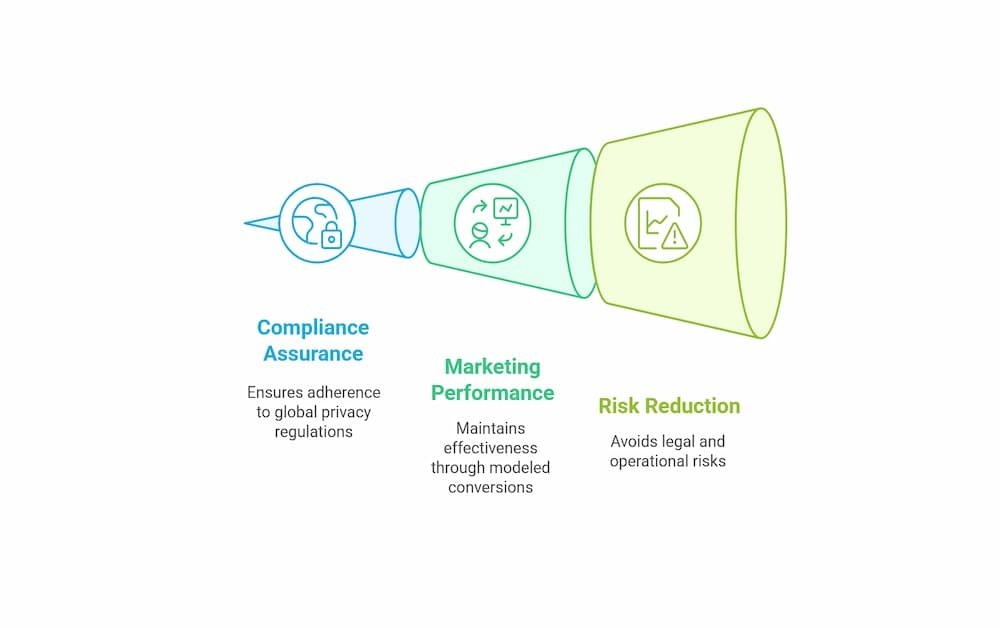
Actionable Compliance Guidelines
- Maintain Strict PII Scrubbing: Implement edge tokenization to ensure names, phone numbers, and home addresses are discarded before database writes.
- Respect Rate Limits & System Health: Structure crawler concurrency to prevent denial-of-service or operational strain on target web hosts.
- Exclude Copyrighted Media: Store structured attributes rather than downloading and redistributing proprietary creative assets without license.
Deploy Compliant Data Infrastructure
Enhance Tech Solutions operates high-volume public market extractors built on strict compliance, privacy-first ingestion, and legal safety standards.