
Algorithmic Brand Defense: Deploying Computer Vision to Detect Counterfeit Product Packaging at Scale
How computer vision vector embeddings identify deceptive knockoffs and counterfeit packaging on leading multi-vendor marketplaces.
Counterfeiters have evolved past blatant trademark violations. They now operate in gray zones, deploying near-identical packaging layouts, mimicking brand typography, and slightly modifying brand marks to trick marketplace search algorithms while evading text-based regex filters.
| Infringement Pattern | Visual Deception Tactic | Cosine Similarity Score | Automated Enforcement Action |
|---|---|---|---|
| Typo-squatted Packaging | Altered single consonant in typography; matched color gradient | 0.89 – 0.94 | Auto-generate Notice of Infringement to platform legal portal |
| Look-Alike Trade Dress | Identical bottle contour and badge placement under unregistered brand | 0.82 – 0.88 | Route to brand protection counsel queue with side-by-side visual diff |
| Stolen Digital Assets | Direct re-upload of official brand hero images with altered watermark | 0.98 – 1.00 | Trigger automated DMCA takedown via platform API |
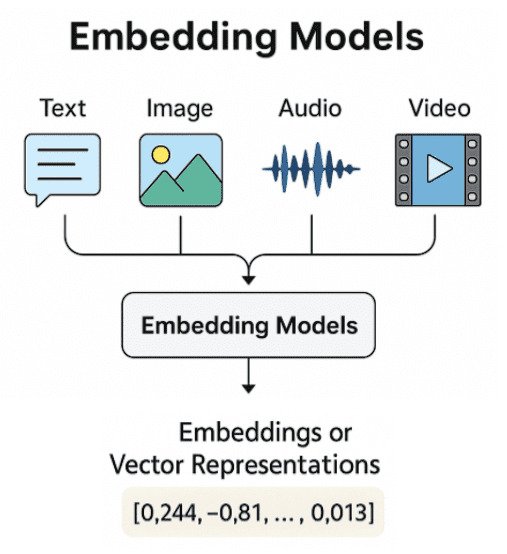
The Visual Detection Pipeline
- Image Preprocessing & Normalization: Stripping white backgrounds, normalizing aspect ratios, and isolating product bounding boxes using YOLOv10 models.
- Vector Embedding Generation: Passing product imagery through a customized Vision Transformer (ViT) fine-tuned on official SKU master images.
- Vector Search at Scale: Indexing embeddings in high-throughput vector indexes (Qdrant/Milvus) to match marketplace images against millions of reference SKUs in sub-100ms latency.
Automate Your Brand Defense Matrix
Protecting enterprise brands across digital channels requires visual-first monitoring. The ETS Brand Protection Suite continuously indexes multi-vendor platforms to eliminate illicit counterfeits before they cannibalize sales.