
Scaling Headless Crawlers in 2026: Architecting Resilient Pipelines Against Cloudflare and DataDome
An in-depth engineering blueprint detailing TLS fingerprint randomization, stealth browser automation, and distributed proxy architectures for large-scale data extraction.
As modern anti-bot vendors deploy increasingly sophisticated ML-driven behavioral heuristics and hardware-level fingerprinting, traditional scraping architectures reliant on vanilla headless browsers encounter instant mitigation walls. Engineering resilient extraction infrastructure requires addressing the entire network and browser runtime stack.
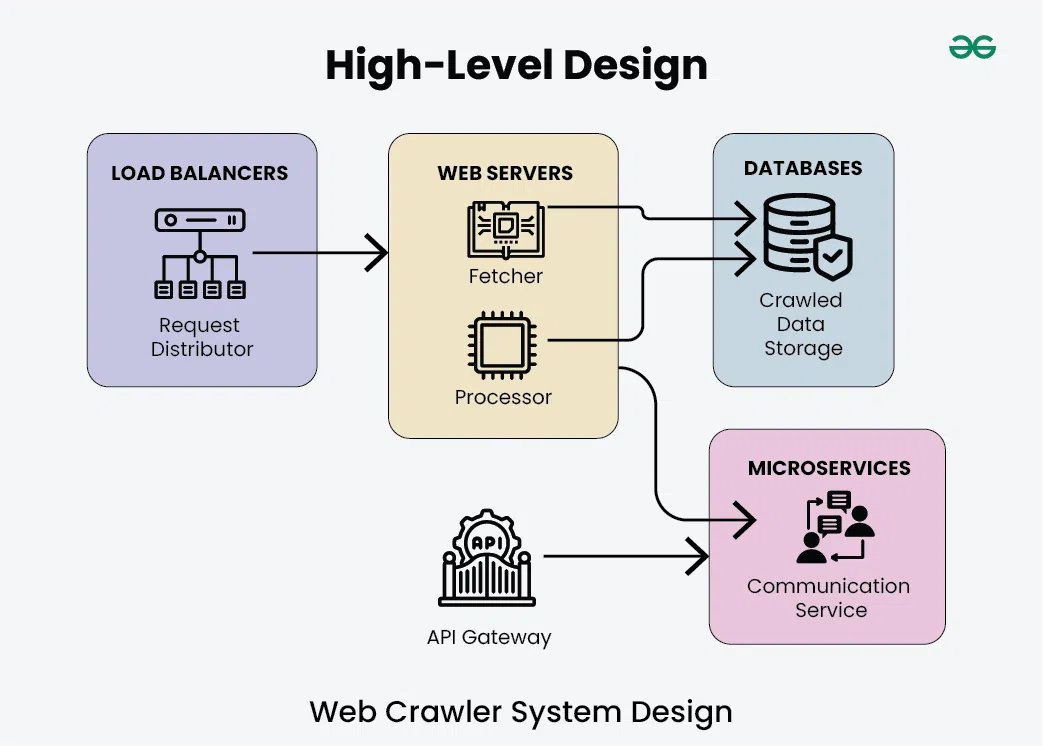
The Anatomy of Modern Anti-Bot Interception
Modern defense systems evaluate requests across three synchronized vectors before resolving downstream content:
- Transport & TLS Signatures: JA4 and HTTP/2 fingerprinting evaluate cipher suites, TLS extensions, and TCP window frames to verify whether incoming requests match standard consumer browser stacks.
- Runtime & Canvas Heuristics: WebGL buffer parsing, AudioContext modulation, battery status APIs, and navigator attribute consistency checks determine automation hooks.
- Session Trajectory & Behavioral Dynamics: Mouse movement velocity, bezier acceleration curves, viewport viewport dimension polling, and interaction latency checks.
| Detection Layer | Primary Signal | Standard Failure Mode | Remediation Strategy |
|---|---|---|---|
| TLS Fingerprinting | JA4, Cipher order, ALPN | Instant 403 Forbidden / Cloudflare Turnstile | Custom TLS termination layers with dynamic cipher shuffling |
| CDP / Runtime Leakage | Runtime.enable leaks, navigator.webdriver | Silent Captcha loop or degraded DOM | Patched browser binaries (e.g., patched Playwright/Chromium cores) |
| IP Reputation & ASN | Datacenter subnets, high latency drift | Aggressive Cloudflare Managed Challenge | ISP / Dynamic Residential proxy rotation with sticky sessions |
| Behavioral Heuristics | Linear click events, rigid intervals | WAF challenge after 3–5 pages | Spline-based cursor simulation and distributed worker execution |
Engineering Implementation: Dynamic Playwright Pipeline
When orchestrating Playwright pipelines for e-commerce data extraction, standard page execution must be paired with customized browser flags and runtime injections to mask Chrome DevTools Protocol (CDP) artifacts:
import asyncio
from playwright.async_api import async_playwright

async def launch_stealth_pipeline(url: str, proxy: dict):
    async with async_playwright() as p:
        browser = await p.chromium.launch(
            headless=True,
            proxy=proxy,
            args=[
                "--disable-blink-features=AutomationControlled",
                "--disable-features=IsolateOrigins,site-per-process",
                "--no-sandbox",
            ]
        )
        context = await browser.new_context(
            viewport={"width": 1920, "height": 1080},
            user_agent="Mozilla/5.0 (Windows NT 10.0; Win64; x64) AppleWebKit/537.36 (KHTML, like Gecko) Chrome/126.0.0.0 Safari/537.36"
        )
        page = await context.new_page()
        await page.add_init_script("Object.defineProperty(navigator, 'webdriver', {get: () => undefined})")
        await page.goto(url, wait_until="networkidle")
        data = await page.evaluate("() => window.__INITIAL_STATE__ || {}")
        await browser.close()
        return data
Build Resilient Scrapers with ETS
Engineering robust extraction pipelines that withstand complex anti-scraping systems requires continuous maintenance and advanced infrastructure. Enhance Tech Solutions builds mission-critical data pipelines and custom crawling infrastructures tailored to enterprise needs.
Talk to our data engineering architects today to scale your web collection pipelines without downtime.