
The Invisible Stockout: Mapping Dark-Store Inventory Volatility Across Blinkit, Zepto, and Instamart
Analyzing out-of-stock cycles and hyperlocal supply chain friction using automated quick-commerce dark store inventory scrapers.
In quick commerce, product availability is hyperlocal and volatile. A hero brand may show 100% in-stock availability in Mumbai South while experiencing a 42% out-of-stock (OOS) rate just 8 kilometers away in Bandra. For consumer brands, phantom stockouts in dark stores directly lead to cart abandonment and brand switching.
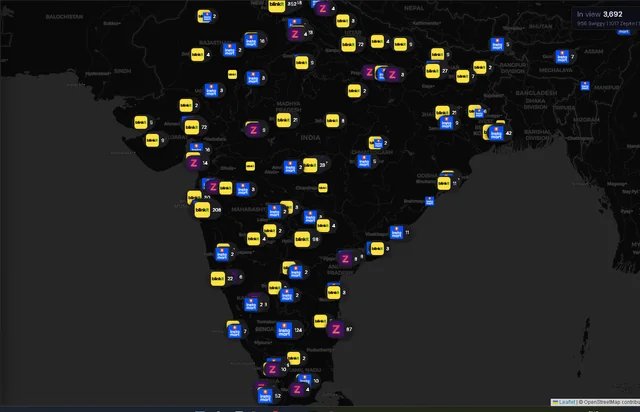
Pin-Code Stockout Metrics: 30-Day Analysis
| Category | Avg. Stockout Rate | Peak OOS Window | Avg. Replenishment Latency | Substituted Brand Loss |
|---|---|---|---|---|
| Dairy & Fresh Milk | 18.4% | 07:00 AM – 09:30 AM | 3.2 Hours | 68% opted for private label |
| Packaged Snacks & Beverages | 12.1% | 07:00 PM – 11:00 PM | 5.8 Hours | 42% switched to rival brand |
| Personal Care & Grooming | 8.6% | Weekend Afternoons | 14.5 Hours | 24% delayed purchase |
Engineering Geo-Targeted Dark Store Extractors
Unlike traditional e-commerce, quick-commerce platforms do not serve catalog data globally. Catalogs are pinned to specific latitude/longitude pairs:
- Micro-Location Spoofing: Injecting specific geographic coordinates directly into platform delivery session headers to query isolated dark stores.
- Ghost-Cart Polling: Programmatically incrementing cart units to detect precise inventory buffers before encountering stock limits.
Gain Real-Time Hyperlocal Visibility
Track your brand’s shelf presence and dark-store inventory availability across every major Indian pin code with the ETS Quick-Commerce Intelligence Engine.