
Reverse Engineering Mobile APIs: Bypassing SSL Pinning with Frida and Mitmproxy for Retail Datasets
A technical post-mortem on decrypting TLS payloads from native e-commerce and quick-commerce mobile apps using dynamic binary instrumentation.
As web platforms increase browser-layer anti-bot barriers, extracting catalog and inventory data directly from native Android applications has become an essential engineering capability. However, modern e-commerce mobile applications enforce Strict Transport Security paired with static certificate and public key pinning.
Decompiling the Network Security Configuration
Modern mobile applications restrict trust anchors via network_security_config.xml. When static patching through apktool fails due to integrity signatures (e.g., Google Play Integrity API), runtime binary instrumentation using Frida bypasses checks dynamically in device memory.
Instrumentation Script: Hooking Conscrypt and TrustManager
The following dynamic instrumentation script neutralizes certificate verification by hooking into standard Java crypto validation runtimes:
Java.perform(function() {
    var array_list = Java.use("java.util.ArrayList");
    var TrustManagerImpl = Java.use('com.android.org.conscrypt.TrustManagerImpl');

    TrustManagerImpl.checkTrustedRecursive.implementation = function(certs, host, clientAuth, untrustedChain, trustAnchorChain, ocspData, tlsSctData) {
        return array_list.$new();
    };
    console.log("[+] Universal Conscrypt SSL Pinning Hook Active");
});
Operational Pipeline Architecture
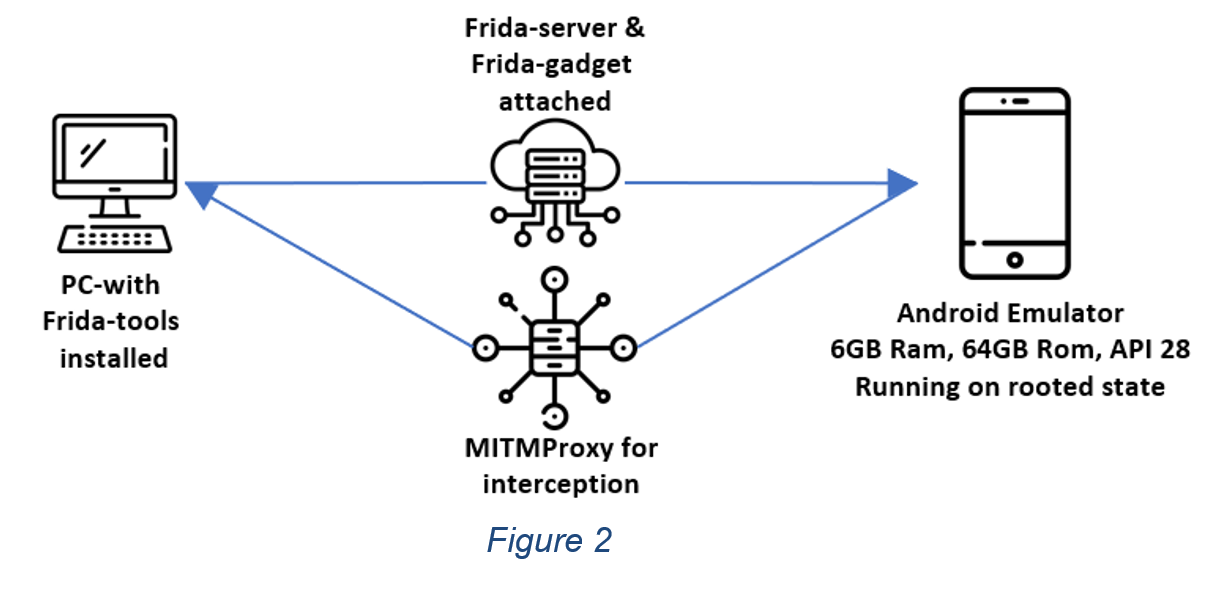
- Device Farm Orchestration: Running rooted, headless Android emulators (x86_64) controlled via automated ADB socket workers.
- Upstream Proxy Chaining: Routing all hooked emulator traffic through a distributed cluster of
mitmdumpworkers converting gRPC and binary JSON directly into flat parquet streams.
Streamline Mobile App Data Extraction
Enhance Tech Solutions builds enterprise-grade reverse engineering pipelines that bypass client-side defenses cleanly to extract reliable catalog datasets at scale.